


www.magnific.com


WELCOME To Counselling In PRISONS Network
The Counselling in Prisons Network was founded in 2007 primarily to provide a professional home for counsellors and therapists working in the criminal justice system. The key focus is to pool expertise, share best practice and provide an evidence base for therapeutic practice in the criminal justice system.

The counselling in Prisons Network is a Partner Organisation in The WHO
Partnership for health in the criminal justice system
(https://www.who.int/europe/health-topics/prisons-and-health).
The platform is used as a tool for
sharing publications, good practice guidelines, and other prison health
related information.
Our Work
Vision
A rehabilitative justice system where every individual has access to transformative therapeutic support, empowering them to heal from trauma and rebuild their lives.
Aims of Group
To champion excellence in practice.
To advance the evidence base.
To empower the profession.
Objectives
To provide a range of CPD opportunities for members and online peer supervision groups.
OUR TEAM

Marina Hall
Marina has worked as a pluralistic counsellor in prisons since 2015. She ran a counselling service in a Cat C prison specialising in psychological trauma. She previously set up and managed a bereavement counselling service in a Cat B prison. Marina has a small private practice predominantly working with trauma and those involved in the criminal justice system. She is currently researching client experiences of change in prison therapy for her professional doctorate. She has been a member of CiPN since 2023 and became chair in 2026.
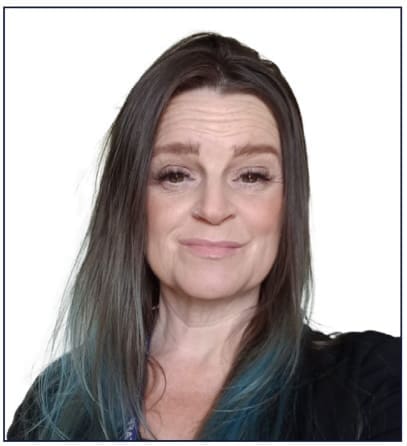
Felicity Jobe
Felicity has spent nearly twenty years working with complex behavioural needs and neurodiversity across education, criminal justice and community settings. Her career began with three years of PhD research in Human Factors, a grounding that continues to inform her evidence aware and reflective approach to therapeutic practice. She has worked extensively in Education, providing coaching and psychoeducation, and has contributed to therapeutic provision at a YOI that centred choice, agency and psychological safety. Her specialist GSRD training is also an important element in sustaining identity aware practice. Felicity advocates the efficacy of therapeutic coaching in a culturally competent, relational practice to strengthen outcomes for individuals and services. Through her role in CiPN she promotes high quality therapeutic work as a powerful complement to psychological assessment and risk management across the criminal justice sector.
Erick Oduor
Erick Oduor is Counsellor at Cruse Bereavement Care working in Prison in N.Ireland for the last 9 years, and also a supervisor with Cruse Bereavement Care. I also have a private practice that has been operating for the last seven years. I also am a Board member with CIPN representing Ireland which has been grateful to serve and Great privilege as I have enjoyed promoting counseling in the prison network.

Oliver Perera
Oliver had a career in the Army before moving into the independent education sector where he has been for over a decade. He has previously been a school governor and involved in several different charities where he utilises his skills in organisation management and development. He is currently studying a part-time MSc in Psychotherapy and believes that therapy should be available to all, not just those who can easily access it. He is the Chair of Trustees for a low cost therapy service. He believes CiPN serves a vital role in leading best practice in the criminal justice sector and wants to ensure therapy is available as an option to all offenders should they wish to access it.

Natalie Spall
Natalie has worked for the Probation Service since 2003 in a variety of different roles including training, quality improvement, and over 13 years working directly with people in prison and on probation. She has first hand experience of the power of positive relationships in supporting desistance and behaviour change. Natalie is also a UKCP-accredited psychotherapist and works in a Category C prison as well as running a small private practice. She is passionate about providing therapy to people who have offended or are at risk of offending. She has been a member of CiPN since 2016 and is keen to support CiPN to grow and develop in addition to driving the agenda to get therapy recognised as a valuable tool to support rehabilitation.

Natalie Wintle
I graduated from the University of Warwick with First Class Honours in Person-Centred Counselling and the Psychotherapeutic Relationship.
I previously worked as a Prison Officer, and this experience continues to shape how I understand custodial environments and the people within them. I see the prison population as an underrepresented group in terms of access to meaningful therapeutic support, and I have seen how the quality of therapeutic relationships can make a real difference to people’s lives, and can play a meaningful role in reducing recidivism.
My research has focused on the psychotherapeutic relationship with prisoner clients, particularly the ethical and procedural challenges of working within custodial settings.
I now run a private therapeutic practice, with a specialism in neurological differences. I am autistic and ADHD (AuDHD), which further informs my understanding of unmet needs within prison environments, especially around communication, difference, and feeling understood.